

🌿Missouri’s Native Medicinals Hiding in Plain Sight
Every summer, the pastures and gardens start filling in with plants most people mow down without a second thought. But here on the farm, we’ve learned that many of these so‑called “weeds” are actually deeply medicinal natives — plants that have grown in Missouri long before fences, tractors, or garden beds.
This month, we’re highlighting a handful of the wild healers you can find right here in our region, how to harvest them responsibly, and the traditional benefits they’ve offered for generations. Here at Rock Pillar Grounds, we use fresh herbs for medicinal tinctures. You can also dry herbs for teas, oils or make salves.

🌼 Dandelion — The Sunshine Tonic
Dandelion is one of the first plants to wake up in spring and one of the last to fade in fall. Every part of this plant is useful.
When to Harvest
Leaves: Early spring or fall (before they get bitter)
Flowers: April–June
Roots: Late fall after frost, or very early spring
How to Harvest
Snip young leaves, gather fresh blossoms on a dry day, and dig roots when the plant’s energy is stored underground.
Traditional Benefits
Supports liver and digestive health
Mineral‑rich (iron, calcium, potassium)
Flowers infused in oil soothe sore muscles and dry skin
Dandelion grows where soil needs loosening — a little reminder that healing often shows up exactly where it’s needed.
🌾 Mullein — The Tall Guardian of the Fencerow
You’ll spot mullein by its tall candle‑like stalk and soft, fuzzy leaves. It’s a true Missouri wildling.
When to Harvest
Leaves: Late spring through summer (first‑year rosettes are best)
Flowers: June–August
How to Harvest
Pick leaves on a dry morning. For flowers, gather the bright yellow blooms as they open — they only last a day.

Traditional Benefits
Supports respiratory health (coughs, congestion, irritated lungs)
Flowers infused in oil are used for ear discomfort
Leaves can be dried for teas or steam inhalations
Mullein often grows in disturbed soil, quietly repairing the land while offering medicine to anyone who stops to notice.
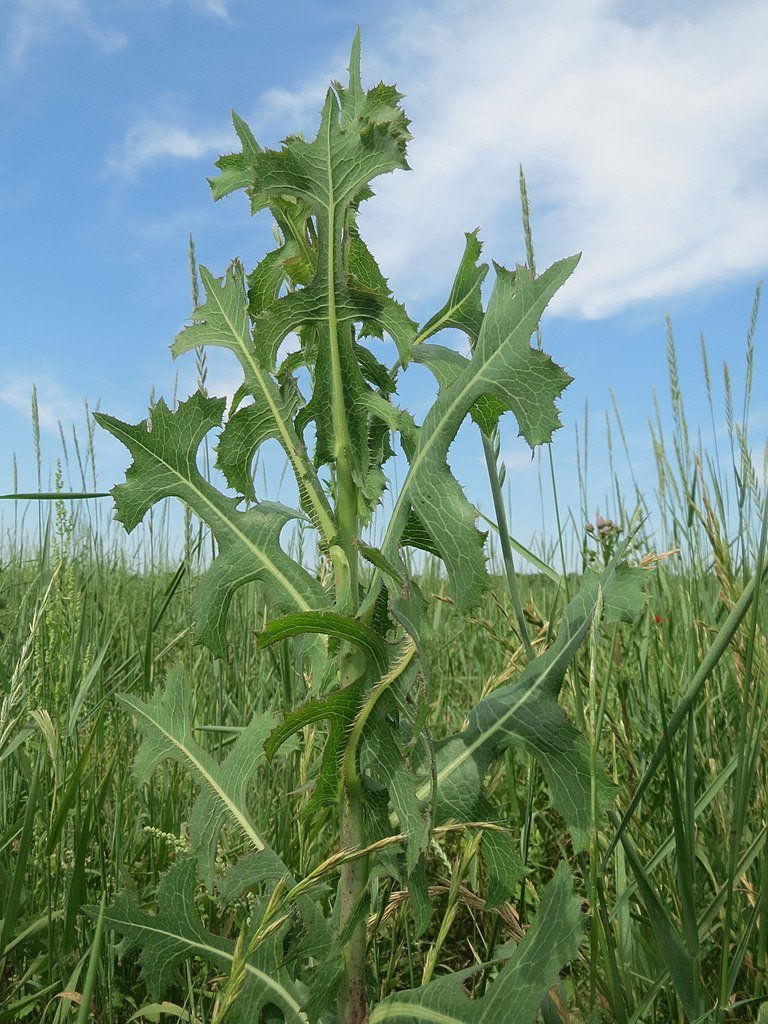
🌿 Wild Lettuce — The Old‑Time Nervine
Known historically as “opium lettuce” (though it’s not an opiate), wild lettuce grows abundantly in Missouri’s ditches, pastures, and woodland edges.
When to Harvest
Leaves: Before the plant bolts (early summer)
Sap (latex): Mid‑summer when stems are cut
How to Harvest
Cut young leaves for drying. For the traditional sedative latex, score the stem and collect the milky sap.
Traditional Benefits
Calming nervine for restlessness
Historically used for sleep support
Mild pain‑soothing properties
It’s a plant that shows up when the heat rises and tempers shorten — nature’s way of offering a little calm.
🌱 Plantain — The Pasture First‑Aid Kit
Broadleaf and narrowleaf plantain both grow everywhere in Missouri — driveways, barnyards, garden paths.
When to Harvest
Leaves: Anytime they’re green and healthy (spring through fall)
Seeds: Late summer
How to Harvest
Pick fresh leaves, especially the young tender ones. Seeds can be stripped from the stalk.

Traditional Benefits
Chewed leaf poultice for bites, stings, and scrapes
Supports skin healing
Seeds act as a gentle digestive fiber
If you’ve ever been stung by a bee and grabbed a leaf to chew and slap on — that was plantain doing its job.

Traditional Benefits
Supports the lymphatic system
Helps with spring detox pathways
Cooling and soothing for skin and inflammation
Cleavers appear right when our bodies naturally want to “spring clean,” which feels like perfect timing.
🌾 Cleavers — The Velcro Weed With a Purpose
Cleavers (the sticky “Velcro weed”) show up early in spring and cling to everything — clothes, fur, and your patience.
When to Harvest
Fresh plant: March–May (before it gets stringy)
How to Harvest
Snip tender green stems and leaves. Cleavers don’t dry well, so they’re best used fresh.
🌸 Bonus Missouri Medicinals Worth Noticing
Yarrow: For wound support and fevers; blooms June–September
Chickweed: Cooling, soothing, and great for skin; harvest in cool months
Violet: Leaves and flowers are gentle lymph movers; spring harvest
Echinacea (Purple Coneflower): Immune support; roots harvested in fall
💛 A Final Note From the Farm
The more time we spend working the soil, the more we realize that Missouri’s native plants are some of the most generous teachers. They grow without pampering, thrive in our unpredictable weather, and offer medicine that has been used for centuries.
Next time you walk your pasture or garden path, take a moment to notice what’s growing without your help. You might find that the land has already planted a little apothecary for you!


Comments